

7 min read
The join between your two systems is logged in as somebody. Ask who
Most small-firm integrations run on one employee's login, so they break when that password does. What to write down, and which joins deserve better.
Insights
Occasional writing from the practice — what we see going wrong, what we would do about it, and the reasoning behind it. No listicles.
Most small-firm integrations run on one employee's login, so they break when that password does. What to write down, and which joins deserve better.

Comments and reviews on your own content are exempt by name. What puts a small firm in scope is users talking to each other, and that is easy to check.

A website and an email system share one thing, the domain's DNS. What gets lost when the nameservers move, and the question to ask before anyone does it.

Most firms have something running that nobody can explain. How to find the unowned automations, what to write down, and why switching one off is the test.

Enquiries that go nowhere are usually not a marketing problem. How to measure your real first-reply time, and what an automatic acknowledgement can fix.

The completed file is the output, not the proof. What an e-signature audit trail actually contains, and whether you could still get hold of yours.

Most owner-managed firms are registrable and plenty are not registered. The fee is £52. The useful part is the questions you have to answer to pay it.

The response clock in a support contract has at least five settings, and your provider chose all of them. How to audit yours from your own sent mail.

Orders go into their portal and again into yours. What goes wrong when a job lives in two places, and the three ways out, in the order to consider them.

The monthly price is the smallest number in the decision. What actually has to move when you change ledger, what gets left behind, and when the sum says go.

Guaranteed hours and shift-notice rights are coming under the Employment Rights Act. No date is fixed and the numbers are not written. What to record now.

The jobs people most want automated are rarely the ones worth building. The arithmetic that decides it, and the step that comes before any software.
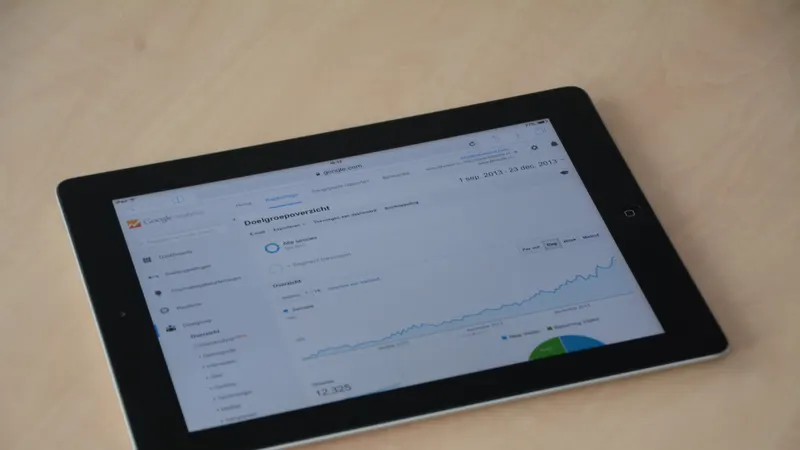
What the bot figures actually measure, why your analytics disagrees with your server, and the number a small firm should be judging the work on instead.
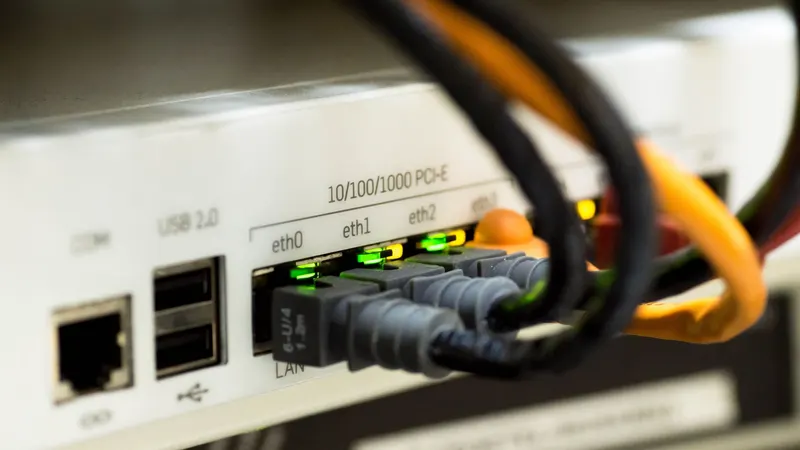
Most small offices have never established what an outage actually stops. A deliberate fifteen-minute test, and the two fixes worth arranging in advance.

Most firms have never watched a restore, which makes the backup a belief rather than a fact. How to test one in half a day, and what the test tells you.

The qualifying period for ordinary unfair dismissal drops to six months on 1 January 2027. At two years a paper trail builds itself. At six months it does not.

Microsoft retires SMS and voice codes for work accounts on 1 February 2027. There is no opt-out, and the awkward cases are worth finding now.

The Cyber Security and Resilience Bill covers around 1,500 of the UK's 11,000 IT providers. How to tell which one yours is, and what changes if it is.

Certificate lifetimes fell to 200 days in March and halve again in 2027. Renewing is easy. Knowing who receives the expiry warning is the hard part.

HMRC switches multi-factor authentication on for every remaining agent account between 28 September and 15 October. Shared logins are what breaks first.

From 1 September, Search campaigns using automatically created assets or campaign-level broad match are upgraded to AI Max. No approval required.

The Cyber Security and Resilience Bill will regulate managed IT providers for the first time. Four questions tell you how yours would fare, law or no law.

The attack built to beat MFA wants neither your password nor your code. It takes the session your own successful login produced.

At the end of December Microsoft blocks the password sign-in that copiers and apps use to send email through Microsoft 365. The failure is silent.

The NCSC's free tools give small firms a tailored security fix list in minutes. What they catch, what they cannot see, and when paying makes sense.

Microsoft is switching Business plans to new Outlook automatically, but classic is supported until at least 2029. What to check before picking a side.

The thread works until the phone goes on holiday or its owner resigns. Who actually holds a client conversation, and three fixes in ascending order of cost.

Notetaker bots now join client calls uninvited, and a US lawsuit says one recorded people who never knew. The questions to ask, and the Teams settings.

From 1 October 2026 most tribunal claims can be brought six months after the event. The records that decide them are on shorter timers than that.

From 9 February 2027 a .uk domain transfers by auth code, like a .com. If yours sits with an ex web designer, the months before that are the time to act.

New EU transparency rules for chatbots took effect on 2 August. Whether they reach your firm depends on who you serve. Disclose anyway, and here is how.

From April 2029, most UK invoices between businesses must be structured e-invoices, not PDFs. Nothing to buy yet, but some decisions age badly.

Payment diversion fraud now arrives mid-thread, from the supplier's real address. The fix is a rule about process, not sharper eyes.

A discount code for reviews, a form that filters out the unhappy, a quiet word with staff. All three now sit under a law with fines of up to 10% of turnover.

Three questions can now fail your whole assessment on their own. If you passed comfortably last year, that tells you less than it used to.

HMRC does send texts and does put QR codes in letters, so "HMRC would never contact you" is bad advice. Here is what it actually never does.

The commonest website emergency is not a hack, it is a handover. A five-minute audit tells you who really controls your domain while asking is still easy.

The statistics people quote at you disagree by a factor of three. What wins the searches that bring customers in has barely changed, and it is duller.

Most businesses have one file nobody dares touch. How to tell when a spreadsheet has quietly become a system, and what the cheapest exit looks like.

The big mailbox providers now reject email they cannot verify. Most small business domains were set up before the rules, and it shows in the junk folder.

Integration is usually the cheaper answer, and sometimes the wrong one. The test is whether the old system still describes how your business works.

The UK rules changed in February. Most small business banners now hold back the analytics you rely on and wave the advertising tags straight through.

Most first meetings are a sales call wearing a discovery hat. Here is what a useful one covers instead, and the three answers worth listening for.
We would like to use analytics cookies to understand how this site is used, advertising cookies to measure our ads, and to load our office map from Google. None of them loads on its own unless you accept — though Google Tag Manager itself loads either way, with every category switched off. The map also has a button of its own. Read our cookie policy